
Why the Brand Whisperer Wins: When Luxury Becomes a Cheap Echo of Itself
I. The Hook — Free Will, or the Illusion We Buy With
Ask yourself: when you reach for a coveted object—say, a watch you’ve long admired or a pair of sunglasses that feels like a passport to a different version of you—do you choose, truly? Or do you perform a practiced ritual your brain has learned to trust long before you even name the product? In the modern marketplace, our so-called free will is a contrived theater. We believe we are sorting through options, sampling taste, weighing values. In truth, we are following a script authored by brands that have learned to read the private chapters of our longing. Our tastes, loyalties, and self-image are not merely shaped; they are choreographed, calibrated, and rehearsed in advance, so that when we finally lean toward a label, we are not selecting a thing but affirming an identity already imagined for us.
II. The Dark Architecture — The Psychology Brands Use Like a Hidden City
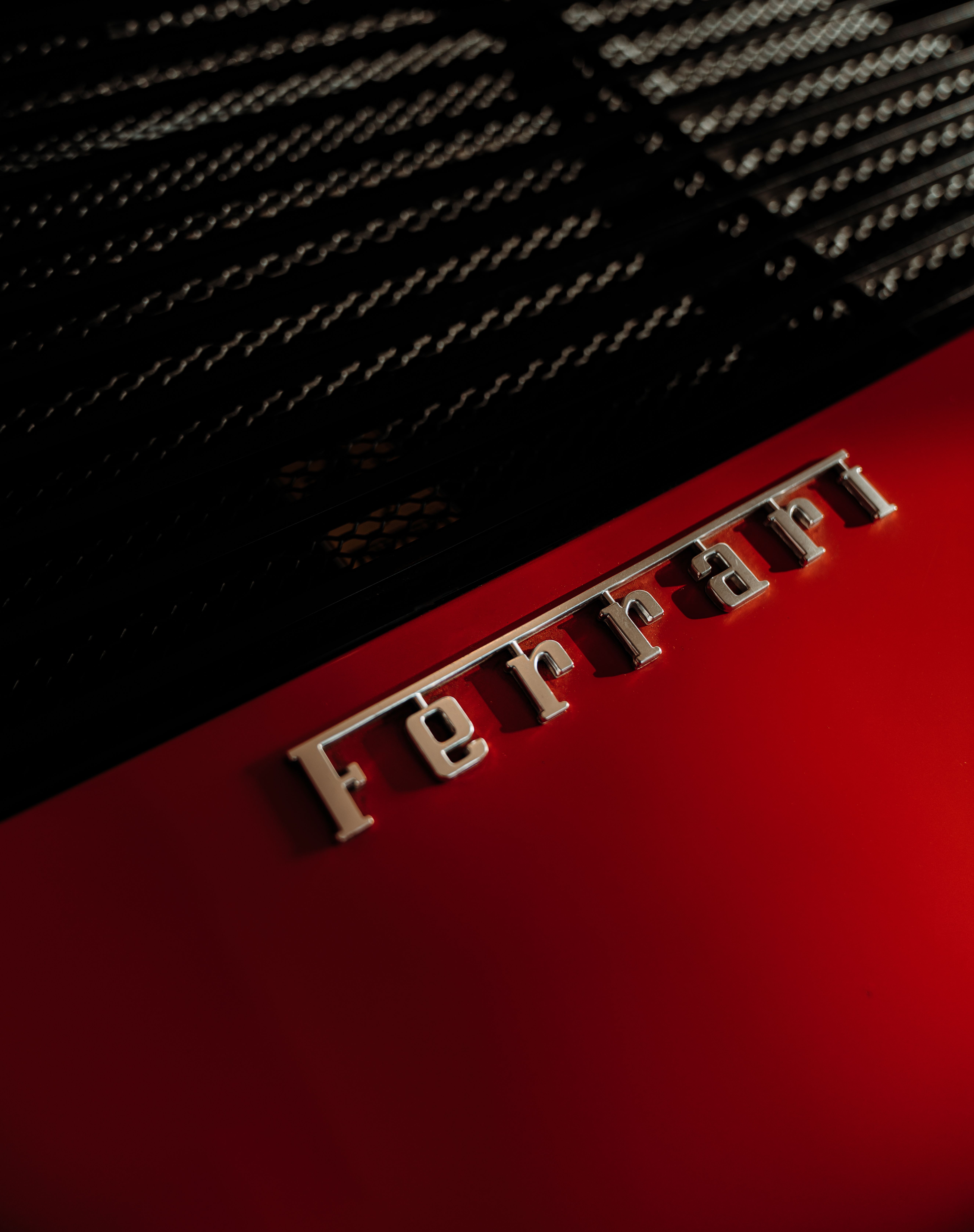
Branding is not a logo or a color palette; it is a disciplined engineering of emotion. It weaponizes the most intimate human drivers—the fear of exclusion, the craving for status, vanity’s quiet whisper, the ache for belonging—and sells a solution to a void the brand helped conjure. Ultra-luxury houses like Ferrari, Porsche, Lamborghini, and their kin operate at a paradox: their “unreachability” is the very magnet. They promise distinction without apology, but the moment those promises leave the glossy display, a subtler calculus begins.
- Exclusion as luxury: The fear of “being left out” is not merely social, but primal. Membership in a select circle feels like a shelter against a broader chaos. A brand’s aura—its scarcity, its selective distribution—works as a social solvent, dissolving sameness by implying a rare passport. When a luxury label extends its name into a watch, a scent, a tee, the offer isn’t merely utility; it’s a continued initiation into a club that others cannot join with the same ease.
- Status as syntax: People purchase status as if it were a language—every mark, stitch, or emblem a syllable in a sentence that communicates to the world who they are (or at least who they want to appear to be). The problem arises not in the product’s materials or craftsmanship, but in the conversion of social capital into currency. A Ferrari-branded cologne may carry the same price tag as a couture fragrance, but the cultural shorthand attached to the badge—speed, pedigree, danger—translates differently in the mind than the more ambiguous prestige of a fashion house. In other words, the same price does not equal the same status, because the social grammar of the two brands teaches a divergent script about who you become when you wear them.
- Vanity as currency: Modern branding does not merely profit from desire; it shapes it. We want to be seen wanting the “right” thing. The merchandising of a car brand into sunglasses or a hoodie feeds a craving to be part of the brand’s mythos. The vanity is precise: look like you own the dream, and suddenly you own the dream. But dream and product, fear and purchase, are interlocked in a feedback loop that makes the line between self and audience indistinguishable.
Brands trade in illusions, not because they lie, but because they are built to perform spiritual labor: to promise a solution to a vacuum they helped create. The luxury car label offers velocity as virtue; the apparel label offers belonging as proof. The merchandising strategy is altered not to replicate the core product’s function, but to translate the core myth into every accessible surface—watches, sunglasses, tops—so that the consumer can exhale a little of the aura with every purchase.
III. The Paradox of Transparency — The Curtain That Never Moves
We live in an era where advertising is declared and demystified. We know we are being pitched products, and we still feel the tug. Why does awareness not inoculate us against the feeling?
- Cognitive choreography: Even when a consumer claims skepticism, the brain still collaborates with the brand’s script. The mechanisms of priming, associative networks, and hedonic adaptation transform information into preference before we fully recognize the process. The more a brand is transparent about its machinations, the more it appears to be participating in our self-understanding, not manipulating it—thus the paradox: knowledge does not shield us from influence; it intensifies it by giving the influence a ceremonial, almost ritualized, legitimacy.
- The halo of authenticity: When a brand presents itself as consciously transparent—behind the scenes look at craftsmanship, rigorous material sourcing, or sustainable ethics—it earns trust even as it channels deeper desires. Authenticity becomes another lever to pull. The more “honest” a brand seems about its ambitions and status, the more it invites us to narrate our own authenticity into consumption.
- Identity as contract: We do not merely buy a product; we sign a social contract with a brand. In exchange for the promise of belonging and refinement, we surrender a fragment of autonomy to the brand’s compass. Knowing the trick does not sever the contract; it clarifies its terms. We consent with full awareness, and yet we still consent.
IV. The Resolution — The Self-Inventory of a Brand-Saturated Self
The question the original post invites is not merely about why premium brands “feel cheap” when they merchandise their logos. It is a broader inquiry into how branding engineers the self in public, and how modern consumerism cultivates a form of identity that is simultaneously intimate and industrial.
- The cheap-feel phenomenon as a signal: When a Ferrari-branded aftershave or a Porsche-branded tee sits in a discount rack, the dissonance is not simply about price. It is a rupture in the story the consumer carries inwardly about value, exclusivity, and personal myth. The brand has weaponized scarcity into a kind of moral currency; when the currency floods the markets through discounts, the symbolic capital dissolves, revealing a truth: the consumer’s desire is more malleable than the brand’s myth is robust.
- The haunting pull of the transparent spell: Knowing the system does not dismantle the spell; it intensifies the feeling of being seen by a larger audience—your own self-aware, brand-educated gaze. We are perpetually at the mercy of a psychology that promises freedom through belonging, direction through consumption, authenticity through a carefully curated image.
- The final lens — where does the self end and the engineered influence begin? The modern consumer stands at a threshold. Every favorite brand is a doorway to a version of you that you are invited to inhabit. The question is not only whether this is good or evil; it is whether you want to live as the brand’s signature, or cultivate a personal chorus that can be sung without the echo of a logo.
If you linger over the contrast between a high-cost car badge and the same emblem on a trinket, you may sense the deeper phenomenon: the world has learned to monetize belonging, speed, and prestige with unprecedented precision. The gaze you cast toward a product is a gaze you cast toward your own possible futures. The brand doesn’t merely want your money; it wants your narrative—your sense of who you are, or who you could be, under its light.
So, the next time you feel a familiar pull toward the latest branded merch, pause. Not to resist, but to observe. Map what you are telling yourself about you—about status, memory, fear, and community. Question the degree to which you are choosing a thing and the degree to which you are choosing a version of your own story. In that moment of pause, you might recover a shard of autonomy—the stubborn, messy, unpredictable self that resists being a prop in someone else’s marketing play.
Because the true work of branding isn’t about selling products; it is about selling a version of you that feels almost inevitable. And the haunting revelation remains: when the curtain lifts, the performance isn’t over; it has merely changed its costume. The question becomes less about why luxury merch can feel “cheap,” and more about what you will do with the insight that your own sense of self may be the most valuable brand you ever own—one that deserves careful stewardship, not borrowed glamour.